Hey there! I’m a supplier of power distribution cabinets, and I’ve been in this game for quite a while. One question that comes up a lot is about the requirements for the self – diagnosis function of a power distribution cabinet. So, I thought I’d share my thoughts on it. Power Distribution Cabinet

Let’s first talk about why the self – diagnosis function is so important. In today’s fast – paced world, downtime can cost a business a fortune. A power distribution cabinet is like the heart of an electrical system. If it goes down, the whole operation might come to a screeching halt. The self – diagnosis function can detect problems early, allowing maintenance teams to fix issues before they turn into major disasters.
Accuracy and Reliability
The first and most crucial requirement for the self – diagnosis function is accuracy. It has to be spot – on when it comes to identifying faults. There’s no room for guesswork here. For example, if there’s a short – circuit in one of the circuits, the self – diagnosis system should be able to pinpoint exactly where it is. False alarms can be just as bad as missing a real problem. They can waste time and resources, and in some cases, even lead to complacency among the maintenance crew.
Reliability is also key. The self – diagnosis system has to work all the time, under all conditions. It can’t take a day off or malfunction because of a little temperature change or a minor power surge. It should be built with high – quality components that can withstand the rigors of the working environment. Whether it’s a hot and humid industrial setting or a cold and dry outdoor installation, the system needs to keep on ticking.
Real – Time Monitoring
Another major requirement is real – time monitoring. The self – diagnosis function should be able to continuously monitor the various parameters of the power distribution cabinet. This includes things like voltage, current, temperature, and humidity. By keeping an eye on these parameters in real – time, the system can detect any abnormal changes immediately.
For instance, if the temperature inside the cabinet starts to rise rapidly, it could be a sign of an overloading issue or a faulty component. With real – time monitoring, the system can trigger an alert right away, so that action can be taken before the situation gets out of hand. It’s like having a 24/7 guard watching over the power distribution cabinet.
Comprehensive Fault Detection
The self – diagnosis function should be able to detect a wide range of faults. It’s not just about short – circuits and overloading. There could be issues with the insulation, problems with the circuit breakers, or even communication failures within the cabinet.
For example, if the insulation resistance drops below a certain level, it could indicate a potential safety hazard. The self – diagnosis system should be able to pick up on this and alert the relevant personnel. Similarly, if a circuit breaker fails to trip when it should, the system should detect this anomaly and report it.
User – Friendly Interface
A good self – diagnosis function also needs a user – friendly interface. The maintenance team or the operators who are going to use the information from the self – diagnosis system should be able to understand it easily. The interface should present the data in a clear and concise manner.
It could have visual indicators, like colored lights or graphs, to show the status of the various parameters. For example, a green light could indicate normal operation, while a red light could mean there’s a problem. The interface should also provide detailed information about the fault, such as its location, severity, and possible causes. This way, the maintenance team can quickly assess the situation and take appropriate action.
Communication Capabilities
The self – diagnosis system should be able to communicate with other systems. It could be connected to a central monitoring station, where operators can keep an eye on multiple power distribution cabinets at once. This allows for better coordination and faster response times.
It should also support different communication protocols, such as Modbus or Ethernet. This way, it can be easily integrated into existing electrical systems. For example, if a company already has a SCADA (Supervisory Control And Data Acquisition) system in place, the self – diagnosis function of the power distribution cabinet should be able to communicate with it.
Self – Healing and Mitigation
In some cases, the self – diagnosis function should be able to take some corrective action on its own. This is known as self – healing. For example, if it detects a minor overloading issue, it could automatically re – distribute the load to other circuits, as long as it’s within the capacity of the system.
However, it should also know its limits. If the problem is too severe, it should not attempt to fix it on its own but rather alert the maintenance team immediately. This combination of self – healing and proper alerting can help minimize downtime and keep the electrical system running smoothly.
Data Logging and Analysis
The self – diagnosis system should be able to log data over time. This data can be extremely valuable for analyzing the performance of the power distribution cabinet. By looking at historical data, engineers can identify trends and patterns, such as recurring faults or gradual degradation of components.
For example, if the temperature inside the cabinet has been slowly increasing over a period of months, it could indicate a long – term problem, like a clogged ventilation system. Data analysis can also help in predicting future failures, allowing for proactive maintenance.
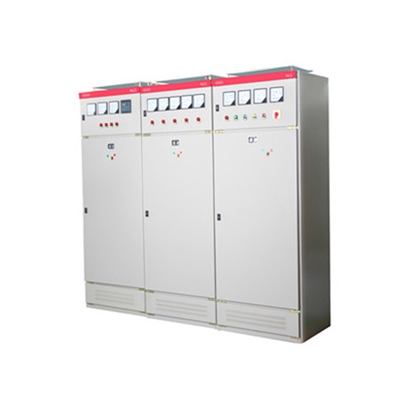
As a power distribution cabinet supplier, we take these requirements very seriously. We put a lot of effort into designing and manufacturing cabinets with top – notch self – diagnosis functions. Our aim is to provide our customers with reliable and efficient solutions that can keep their electrical systems up and running.
Low Voltage Switchgear If you’re in the market for power distribution cabinets and you’re interested in a self – diagnosis feature that meets all these requirements, don’t hesitate to get in touch with us. We’d love to have a chat about your specific needs and how we can help you. Start the conversation and let’s work together to find the perfect power distribution solution for your business.
References
- Electrical Equipment Handbook: Troubleshooting and Maintenance by Patrick J. Hoffmann
- Handbook of Electric Power Calculations by Theodore Wildi
Anhui Xinchen Electrical Equipment Co., Ltd.
We are one of the most reliable power distribution cabinet manufacturers and suppliers in China, specialized in providing high quality customized products. We warmly welcome you to buy bulk power distribution cabinet for sale here from our factory. Contact us for quotation.
Address: No. 8, Waihuan South Road, Economic and Technical Development Zone, Ningguo City, Xuancheng City, Anhui Province
E-mail: xinchen0316@126.com
WebSite: https://www.cn-xinchen.com/
