Hey there! As a supplier of PPR aluminum – plastic pipes, I often get asked one burning question: Can PPR aluminum – plastic pipes be used in high – rise buildings? Today, I’m gonna dive deep into this topic and give you the lowdown. PPR Aluminum-plastic Pipe
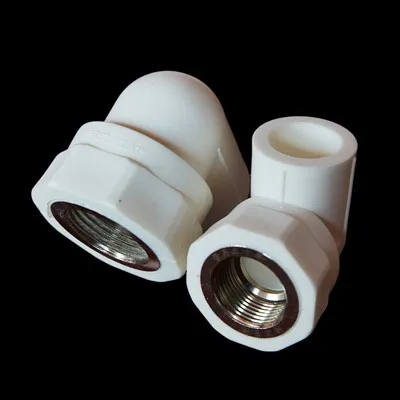
Let’s start by understanding what PPR aluminum – plastic pipes are. PPR stands for random copolymer polypropylene. When we combine it with an aluminum layer, we get PPR aluminum – plastic pipes. These pipes are known for their flexibility, corrosion resistance, and good heat – insulation properties. They’re kinda like the all – rounders in the plumbing world.
Now, when it comes to high – rise buildings, we’ve got some unique challenges. First off, there’s the issue of water pressure. In high – rise structures, the water pressure varies a lot depending on the height. On the lower floors, the pressure can be super high, while on the upper floors, there might not be enough pressure to get the water flowing smoothly.
PPR aluminum – plastic pipes actually hold up pretty well under pressure. Thanks to the aluminum layer in the middle, they’re stronger and more resistant to pressure compared to regular PPR pipes. The aluminum provides structural support, which means the pipes are less likely to burst or leak even when the water pressure is high. I’ve seen these pipes handle some serious pressure in projects, and they’ve rarely let us down.
Another big deal in high – rise buildings is the insulation. You don’t want hot water to cool down before it reaches the upper floors, right? PPR aluminum – plastic pipes have great heat – insulation capabilities. The aluminum layer acts as a barrier, reducing heat loss. This means that whether it’s for a hot water supply in a hotel or a domestic building, these pipes can keep the water at the right temperature. The less heat loss also means that you’ll save on your energy bills, which is a huge plus for building owners.
But it’s not all sunshine and rainbows. One concern that comes up with using PPR aluminum – plastic pipes in high – rise buildings is the installation. High – rise construction is a complex process, and the pipes need to be installed properly to work effectively. These pipes are a bit more flexible than traditional metal pipes, which can be both a pro and a con. On one hand, it’s easier to bend them around corners and through tight spaces. On the other hand, the installation requires some expertise. You’ve gotta make sure the joints are made correctly, or else you could end up with leaks. So, when you’re planning to use these pipes in a high – rise project, it’s crucial to hire experienced plumbers.
We’ve also gotta talk about the long – term durability. High – rise buildings are meant to last for decades, and so should the plumbing system. PPR aluminum – plastic pipes are resistant to corrosion, which is a huge plus. Unlike metal pipes, they won’t rust over time, even in areas with hard water. This means that the pipes will keep delivering clean water without any issues related to rust or sediment build – up. However, exposure to ultraviolet (UV) light can damage the outer PPR layer. So, in areas where the pipes are exposed to sunlight, proper protection like insulation sleeves is a must.
Let’s look at some real – world examples. I’ve worked on a few high – rise apartment projects where we used PPR aluminum – plastic pipes. In one case, it was a 30 – story building. The client was initially a bit skeptical about using these pipes, but after evaluating the pros and cons, we decided to give it a shot. The installation went smoothly, thanks to our team of experienced plumbers. After a few years, there have been no major issues with leaks or pressure problems. The residents have been happy with the constant supply of hot and cold water, and the building management has saved on maintenance costs.
Now, what about the cost? In high – rise construction, every penny counts. PPR aluminum – plastic pipes are generally more cost – effective than some of the other options out there, like copper pipes. They’re cheaper to purchase, and the installation cost can also be lower because of their flexibility. Plus, the long – term savings from energy efficiency and low maintenance make them an even more attractive option.
So, to sum it up, can PPR aluminum – plastic pipes be used in high – rise buildings? Absolutely! They’ve got the strength to handle the high water pressure, the insulation to keep the water at the right temperature, and the durability to last for a long time. However, proper installation and protection are key.

If you’re working on a high – rise building project and are considering PPR aluminum – plastic pipes, I’d love to have a chat. I can provide you with samples, answer any questions you might have, and give you a detailed quote. It’s always a good idea to have a professional opinion when it comes to such an important part of your construction. Don’t hesitate to reach out and let’s discuss how these pipes can be the perfect fit for your project.
PPR Pipe References:
- "Handbook of Plumbing Materials and Systems"
- "Modern Building Services Engineering"
Hebei Ruijie Pipe Industry Co., Ltd.
Address: Industrial Park, Shaozhuang Township, Suning County, Cangzhou City, Hebei Province
E-mail: 1987870474@qq.com
WebSite: https://www.rjpprpipe.com/
