Is cupping therapy regulated? As a cupping therapy supplier deeply involved in this industry, I’ve witnessed firsthand the growing popularity of cupping therapy and the increasing concerns about its regulation. In this blog, I’ll explore the current state of cupping therapy regulation, its implications for our business, and why regulation matters. Cupping Therapy

The Rising Popularity of Cupping Therapy
Cupping therapy has a long – standing history, dating back thousands of years in traditional Chinese medicine. In recent years, it has gained significant traction in the Western world. Athletes like Michael Phelps have brought cupping therapy into the spotlight, showing off their circular cupping marks after competitions. This exposure has led to a surge in interest from the general public, who are seeking alternative and holistic approaches to health and wellness.
The demand for cupping therapy has also driven a growth in the market for cupping equipment. As a supplier, I’ve seen a steady increase in orders for various types of cupping sets, including glass, silicone, and bamboo cups. With this growth, however, comes the need for proper regulation to ensure the safety and effectiveness of cupping therapy.
Current Regulatory Landscape
The regulatory situation for cupping therapy varies widely from country to country. In some regions, cupping therapy is well – regulated, while in others, it exists in a more gray area.
Well – Regulated Regions
In countries like China, where cupping therapy is an integral part of traditional medicine, there are comprehensive regulations in place. Practitioners are required to undergo formal training and obtain licenses to practice cupping therapy. The manufacturing of cupping equipment is also strictly regulated. There are standards for the quality of materials, such as the glass used in glass cups, to ensure that they are safe for use on the human body.
In some Western countries, cupping therapy is considered a form of complementary and alternative medicine (CAM). For example, in the United States, while there is no overarching federal regulation specifically for cupping therapy, some states have their own regulations. In California, for instance, individuals who practice cupping therapy as part of a larger bodywork practice may need to be licensed as massage therapists. This means that they must meet certain educational requirements, pass an exam, and adhere to a code of ethics.
Less – Regulated Regions
In other parts of the world, cupping therapy may operate with little to no regulation. This can lead to a number of issues. For example, unqualified individuals may offer cupping therapy services, putting patients at risk. There may also be a lack of quality control in the manufacturing of cupping equipment. Some suppliers may use substandard materials or produce cups that do not meet basic safety requirements.
Why Regulation Matters
Ensuring Safety
One of the primary reasons why regulation is crucial for cupping therapy is safety. Cupping therapy involves applying cups to the skin to create suction, which can cause temporary marks and bruising. If not performed correctly, it can lead to more serious complications, such as burns, skin infections, or nerve damage.
Proper regulation ensures that practitioners are trained to perform cupping therapy safely. They learn about the appropriate techniques, the right amount of suction, and how to avoid potential risks. For example, they are taught to assess a patient’s skin condition before performing cupping to ensure that it is suitable for the treatment.
Maintaining Quality
Regulation also helps to maintain the quality of cupping therapy services and equipment. When it comes to equipment, regulations can set standards for materials, manufacturing processes, and product testing. This ensures that the cups we supply are of high quality and safe for use.
For cupping therapy services, regulation can ensure that practitioners provide consistent and effective treatments. They are required to follow best practices and stay updated on the latest research in the field. This helps to build trust among consumers and promotes the long – term viability of the cupping therapy industry.
Protecting Consumers
Consumers have the right to receive safe and effective cupping therapy services. Regulation helps to protect them from unqualified practitioners and substandard products. When there are clear regulations in place, consumers can make more informed decisions about where to receive cupping therapy and which products to buy.
For example, a consumer can look for a licensed practitioner or a cupping set that meets certain quality standards. This gives them peace of mind and reduces the risk of being scammed or receiving ineffective treatments.
Implications for Our Business as a Cupping Therapy Supplier
As a cupping therapy supplier, the regulatory environment has a significant impact on our business.
Compliance
We need to ensure that our products comply with all relevant regulations. This means using high – quality materials, following proper manufacturing processes, and conducting product testing. For example, if we are supplying cupping sets to a region with strict regulations on the use of materials, we must source materials that meet those standards.
Compliance also extends to our marketing and labeling. We need to provide accurate information about our products, including their intended use, safety instructions, and any relevant warnings. Failure to comply with regulations can result in fines, product recalls, and damage to our reputation.
Market Opportunities
In well – regulated regions, there are often more opportunities for a reputable cupping therapy supplier. Consumers are more likely to trust products that are known to meet regulatory standards. This can lead to increased sales and a larger market share.
On the other hand, in less – regulated regions, we may face challenges in establishing our brand and competing with suppliers who may not adhere to the same quality standards. However, we can also play a role in promoting the importance of regulation and helping to raise the overall quality of the cupping therapy market.
The Future of Cupping Therapy Regulation
The future of cupping therapy regulation is likely to see more standardization and harmonization across different regions. As the popularity of cupping therapy continues to grow globally, there will be a greater need for consistent regulations to ensure the safety and effectiveness of the therapy.
International organizations may play a role in developing global standards for cupping therapy. This could include standards for practitioner training, equipment manufacturing, and product safety. These standards would help to create a more level playing field for suppliers and ensure that consumers around the world have access to high – quality cupping therapy services and products.
In addition, as more research is conducted on cupping therapy, the regulatory framework may be updated to reflect the latest scientific findings. This could lead to more evidence – based regulations that better protect consumers and promote the growth of the cupping therapy industry.
Conclusion
In conclusion, the regulation of cupping therapy is a complex and evolving issue. While there are differences in the regulatory landscape across different regions, the importance of regulation cannot be overstated. It ensures the safety of patients, maintains the quality of cupping therapy services and products, and protects consumers.
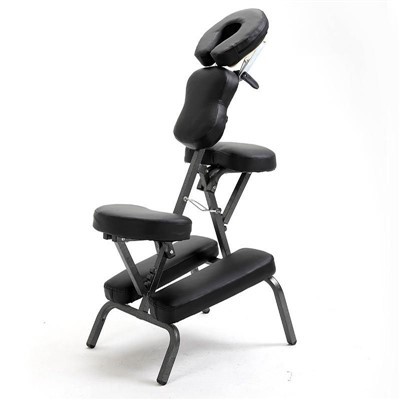
As a cupping therapy supplier, we are committed to complying with all relevant regulations and promoting the highest standards in the industry. We believe that by working together with regulators, practitioners, and consumers, we can help to create a more regulated and sustainable cupping therapy market.
Acupuncture If you’re interested in purchasing high – quality cupping therapy products, we’d love to have a discussion with you. Whether you’re a practitioner looking to expand your offerings or a retailer seeking reliable suppliers, we’re here to provide you with the best solutions. Reach out to us to start a procurement negotiation and take your cupping therapy business to the next level.
References
- Chen, Y., & Zhang, X. (2018). Traditional Chinese Medicine: Cupping Therapy. Journal of Traditional Chinese Medicine, 38(2), 251 – 256.
- Smith, J. (2019). The Rise of Cupping Therapy in Western Sports Medicine. Sports Medicine Review, 12(3), 156 – 162.
- World Health Organization. (2020). Guidelines on Traditional Medicine. Geneva: World Health Organization.
Rightbest Medical Device Limited
We’re well-known as one of the leading cupping therapy manufacturers and suppliers in China, specialized in providing high quality customized products. We warmly welcome you to wholesale durable cupping therapy in stock here from our factory.
Address: 6F,No.303 Pingshui Road,Hangzhou,China
E-mail: info@cuppinghealth.com
WebSite: https://www.cuppinghealth.com/
