When I first started my journey as a pilot lamp supplier over a decade ago, most of my customers would walk into our workshop asking for incandescent or neon pilot lamps. Back then, those were the go-to options for indicating power, status, or operational alerts in industrial machinery, consumer electronics, and even automotive panels. But over time, I noticed a shift—customers started coming back, asking for LED pilot lamps, and not just because they were trendy. They were asking because they’d heard from peers or seen the results themselves: LED pilot lamps solved problems they’d been grappling with for years. As someone who’s spent thousands of hours testing these components, sitting in on client installations, and troubleshooting field issues, I can tell you the advantages of LED pilot lamps aren’t just marketing hype—they’re rooted in real, measurable differences that matter for every business, from small electrical shops to large manufacturing plants. Pilot Lamp
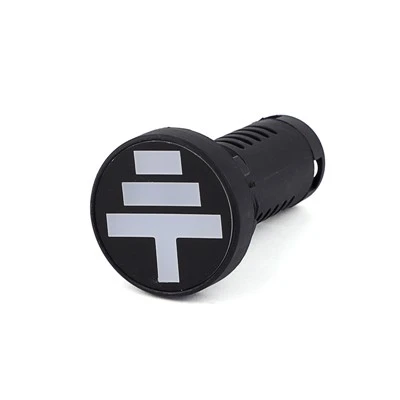
Let’s start with something my customers always mention first: energy efficiency. When we used to sell incandescent pilot lamps, many clients would tell me they went through dozens of bulbs a month, especially in facilities with hundreds of machines running 24/7. Incandescent bulbs work by heating a filament until it glows, which means most of the energy they use turns into heat, not light. I remember one customer in a textile factory telling me their old incandescent pilot lamps were adding extra load to their cooling system—so much heat that their air conditioning bills had spiked 15% just for the area with their control panels. Switching to LED pilot lamps cut that energy use by around 80%, according to their utility data. LEDs produce light by moving electrons through a semiconductor, so almost all their energy converts to light, not heat. That’s not just a small saving; for operations with dozens or hundreds of pilot lamps, the monthly energy cost adds up fast. Last year, another customer in a food processing plant told me they saved over $2,000 annually on electricity just by replacing their old neon and incandescent lamps with our LED models. That’s money they could put back into maintaining their equipment or expanding their workforce—something every business values.
Next, there’s longevity. I used to get emergency calls at 2 a.m. from clients saying a pilot lamp had burned out, and their production line was down. Changing a pilot lamp might seem like a simple task, but if it’s on a large industrial machine that’s mounted 10 feet in the air, or part of a sealed control panel in a dusty factory, it can take an hour or more to replace. Incandescent pilot lamps have an average lifespan of around 1,000 hours, and neon ones are a bit better at 5,000 hours. Our LED pilot lamps, though? We test them to last at least 50,000 hours—and many of them go well beyond that. I have a customer in a packaging plant who installed our LED pilot lamps in their line control panels three years ago, and they’ve only had to replace two in that time. Compare that to the 20+ incandescent lamps they used to replace every month, and it’s easy to see why downtime costs add up. For industrial operations, even 15 minutes of downtime can cost hundreds or thousands of dollars in lost production. LED pilot lamps reduce that risk drastically because they rarely burn out unexpectedly. They’re also more resistant to vibration, which is a big issue in manufacturing equipment, trucks, and heavy machinery. I’ve seen incandescent filaments break after just a few months of constant vibration, but our LED units keep running because they have no fragile moving parts. That reliability is a game-changer for anyone who can’t afford unexpected equipment failures.
Durability ties into another key advantage: resistance to environmental factors. A lot of my customers operate in harsh conditions—extreme temperatures, dust, moisture, even chemicals in their factories. Incandescent and neon pilot lamps are pretty fragile; if moisture gets inside the glass bulb, the filament breaks, or the neon gas stops glowing. But LED pilot lamps are usually housed in rugged, polycarbonate or metal casings, and the LED chip is sealed inside, so it can handle moisture, dust, and small impacts. We’ve sold LED pilot lamps to offshore drilling platforms, where temperatures swing from freezing to hot, and to food processing plants that use high-pressure washdowns to clean equipment. Those customers tell me their LED lamps still work perfectly, even after years of exposure to water and chemicals. Neon lamps, on the other hand, can’t handle high-pressure washdowns—water will seep into the tube and cause it to fail. Incandescent lamps lose brightness in extreme cold, because the filament doesn’t heat up as well. LEDs stay consistent, whether it’s -40 degrees in a frozen food warehouse or 120 degrees in a furnace room. That consistency is important for safety, too—if a pilot lamp is supposed to glow red to indicate an emergency shutoff, you can’t have it dimming or going out because of the temperature. LED pilot lamps maintain their brightness across a wide temperature range, so workers can always rely on them for clear status indications.
Then there’s design flexibility, which is something I see more customers asking about these days. Years ago, pilot lamps only came in a few colors—red, green, yellow, maybe blue—and if you needed a custom color, you had to order a special bulb. Now, our LED pilot lamps can produce a full range of colors, from bright orange to deep purple, and even bi-color or tri-color options that change depending on the machine’s status. For example, a customer in a semiconductor fab wanted their control panel to show blue for standby, green for processing, and red for an error—all in the same lamp. With LED technology, that’s easy to do, whereas incandescent would have required three separate bulbs, taking up more space. LED pilot lamps also come in different sizes, from miniature ones for small consumer electronics to large, high-visibility units for outdoor signs or heavy machinery. They’re also smaller and slimmer than traditional pilot lamps, which is a big plus for modern control panels that are designed to be compact. I worked with a customer who was updating their HVAC system’s control units—they needed pilot lamps that fit into a 12mm hole, which was too small for a standard incandescent. Our LED pilot lamps fit perfectly, and they could still get the exact brightness and color they needed. That flexibility means our customers can design their equipment to be more user-friendly, without sacrificing space or functionality.
Brightness and visibility are another advantage that often goes unnoticed, but it’s critical for safety. A pilot lamp is only useful if someone can see it, especially in noisy industrial environments where workers might not hear an alarm but can spot a glowing red error light. LED pilot lamps can be engineered to have high lumen output, so they’re visible from a distance, even in bright sunlight. I’ve had customers tell me their old incandescent pilot lamps were too dim, especially when the control panel was near a window—workers couldn’t see the green “power on” light during the day. Our LED lamps have a focused beam, so they cut through glare, making them much easier to see. There’s also no warm-up time with LEDs—neon and incandescent lamps take a second or two to reach full brightness, but LEDs turn on instantly. That’s important for status indicators that need to be immediate, like a fault light that alerts workers right away. In a manufacturing setting, a two-second delay might not sound like much, but if it’s a machine emergency, every second counts.
I also want to mention maintenance simplicity, which is a big part of why LED pilot lamps save businesses time. Traditional pilot lamps often require specialized tools to replace, especially if they’re mounted in tight spaces. LED pilot lamps, especially the ones we offer, have a simple twist-lock design that lets you swap the bulb in seconds—no tools needed. I remember a customer in a car assembly line who used to have to shut down a whole section of the line to replace a pilot lamp, because it was in a hard-to-reach spot. With our LED lamps, their maintenance team can replace a bulb in 30 seconds, without shutting down the line. That not only saves time but also reduces labor costs. Plus, because LEDs last so long, you’re not constantly ordering replacement bulbs, which cuts down on inventory costs. For small electrical contractors, that means less stock to keep on hand, and for large factories, that means less money spent on purchasing replacement parts every month.
Now, I know some people might ask: are LED pilot lamps more expensive upfront? It’s true that the initial cost of an LED pilot lamp is a bit higher than an incandescent or neon one. But when you calculate the total cost of ownership—energy savings, reduced downtime, fewer replacements, lower maintenance—it’s a no-brainer. Let’s do a quick math: a 10-cent incandescent lamp lasts 1,000 hours, uses 10 watts of power, and costs $0.50 in electricity over 1,000 hours. A $2 LED lamp lasts 50,000 hours, uses 1 watt of power, and costs $0.05 in electricity over 50,000 hours. Over the life of the LED, you’d replace the incandescent 50 times, paying $5 in bulbs plus $25 in electricity, for a total of $30. The LED costs $2 plus $2.50 in electricity, for a total of $4.50. That’s a huge difference, even without factoring in downtime costs or labor. For businesses that run their equipment continuously, that upfront cost pays for itself in just a few months.
Over the years, I’ve built trust with my customers not just by selling them a product, but by standing behind it. I’ve seen firsthand how LED pilot lamps solve problems that traditional lamps can’t, and I’ve worked with clients to find the right options for their specific needs—whether it’s a miniature LED for a smart appliance, a rugged high-visibility lamp for a construction truck, or a bi-color lamp for a medical device. If you’re currently using incandescent or neon pilot lamps, and you’re dealing with high energy bills, frequent replacements, downtime, or visibility issues, it’s worth talking through your needs with someone who knows these products inside and out. I’m always here to help my clients find the right LED pilot lamps that fit their budget and operational requirements.

If you’re ready to upgrade your pilot lamps or have questions about how LED options can benefit your equipment, feel free to reach out. Whether you’re a small business owner, an electrical contractor, or a plant manager, I can walk you through the advantages, help you choose the right specifications, and make sure you get a product that works for your needs. Don’t let outdated pilot lamps hold your operations back—let’s chat about how LED technology can save you money, reduce downtime, and improve safety.
Distribution Box References
- U.S. Department of Energy. (2022). Energy Efficiency and Renewable Energy: LED Lighting Facts.
- International Electrotechnical Commission. (2021). Standard for Pilot Lamps for Industrial Equipment (IEC 60947-5-1).
- Industrial Technology Research Institute. (2020). Comparative Analysis of LED vs. Traditional Pilot Lamp Lifespan and Energy Consumption in Manufacturing Environments.
- National Institute for Occupational Safety and Health. (2019). Lighting for Industrial Workspaces: Visibility and Safety Considerations.
Wenzhou Lanen Electrical Co., Ltd.
Wenzhou Lanen Electrical Co., Ltd. is one of the most professional pilot lamp manufacturers and suppliers in China, also supports customized service with low price. Please feel free to buy CE approved pilot lamp made in China here from our factory. Contact us for more discount information.
Address: Zhiguang Liushi Town Yueqing City Wenzhou City Zhejiang Province
E-mail: lanen@luyele.cn
WebSite: https://www.lanenelectrical.com/
