As a supplier of wood wall panels, one of the most common questions I encounter from customers is whether our products are mold-resistant. It’s a legitimate concern, especially considering the potential health risks and damage that mold can cause to both property and human well-being. In this blog post, I’ll delve into the science behind mold growth on wood wall panels, examine the factors that contribute to mold resistance, and share insights on how our panels can offer effective protection against this unwanted problem. Wood Wall Panel

Understanding Mold Growth
Mold is a type of fungus that thrives in damp, warm, and dark environments. It reproduces by releasing tiny spores into the air, which can settle on various surfaces, including wood. When these spores come into contact with a suitable food source (such as organic matter in wood) and the right conditions of moisture, temperature, and oxygen, they can germinate and grow into visible mold colonies.
The ideal conditions for mold growth typically include a relative humidity level of 70% or higher, temperatures between 77°F and 86°F (25°C – 30°C), and a surface that provides organic nutrients. Wood, being a natural material composed of cellulose and other organic compounds, can serve as an excellent food source for mold if the environmental conditions are conducive.
Factors Affecting Mold Resistance in Wood Wall Panels
Several factors influence the mold resistance of wood wall panels. Understanding these factors can help us assess the performance of our products and take appropriate measures to enhance their resistance to mold growth.
Wood Species
Different wood species have varying levels of natural resistance to mold. Some woods, such as teak, cedar, and redwood, contain natural oils and extracts that have fungicidal properties. These oils help to inhibit the growth of mold and other fungi on the wood surface. For example, cedar contains thujaplicin, a natural compound that acts as a preservative and has been shown to have strong antifungal effects.
On the other hand, woods like pine and spruce are generally more susceptible to mold growth because they have a lower natural resistance. However, even these woods can be treated to improve their mold resistance.
Treatment and Finishing
The treatment and finishing processes applied to wood wall panels play a crucial role in enhancing their mold resistance. Chemical treatments, such as pressure treating with preservatives, can penetrate the wood fibers and create a protective barrier against mold and other pests. These treatments can be especially effective in preventing mold growth in areas with high humidity or moisture exposure.
Finishes, such as paints, stains, and sealants, also contribute to mold resistance by providing a physical barrier between the wood and the environment. A high-quality finish can seal the wood pores, preventing water from seeping in and creating a suitable environment for mold growth. Additionally, some finishes may contain anti-microbial additives that further enhance their mold resistance.
Installation and Maintenance
Proper installation and maintenance practices are essential for ensuring the long-term mold resistance of wood wall panels. During installation, it’s important to leave adequate spacing between the panels to allow for air circulation. This helps to prevent the buildup of moisture and reduces the risk of mold growth.
Regular cleaning and maintenance of the wood wall panels can also help to prevent mold growth. Wiping down the panels with a damp cloth and a mild detergent can remove dirt, dust, and organic matter that could serve as a food source for mold. In addition, it’s important to address any water leaks or moisture issues promptly to prevent water from accumulating on or around the panels.
Our Approach to Mold Resistance
At our company, we take several steps to ensure that our wood wall panels are highly resistant to mold. First, we carefully select the wood species used in our products. We prefer to work with woods that have a natural resistance to mold, such as cedar and teak. These woods not only provide excellent aesthetic appeal but also offer inherent protection against mold and other fungi.
In addition to using naturally resistant wood species, we also apply advanced treatment and finishing processes to our panels. Our wood wall panels are pressure treated with high-quality preservatives that penetrate deep into the wood fibers, providing long-lasting protection against mold, rot, and insects. We also offer a range of finishes, including paints, stains, and sealants, that are specifically formulated to enhance the mold resistance of our panels.
We also provide detailed installation and maintenance instructions to our customers to ensure that our wood wall panels are installed and maintained correctly. Our installation guidelines emphasize the importance of proper ventilation, moisture control, and spacing between the panels. By following these guidelines, our customers can help to ensure the long-term performance and durability of our wood wall panels.
Testing and Certification
To provide our customers with confidence in the mold resistance of our wood wall panels, we conduct rigorous testing and certification processes. Our panels are tested in independent laboratories to evaluate their resistance to mold growth under various conditions. These tests simulate real-world scenarios, such as high humidity and moisture exposure, to ensure that our panels can withstand the challenges of different environments.
We also obtain relevant certifications from recognized organizations, such as the American Wood Protection Association (AWPA) and the Forest Stewardship Council (FSC). These certifications demonstrate our commitment to producing high-quality, sustainable, and mold-resistant wood wall panels.
Conclusion
In conclusion, while wood is a natural material that can be susceptible to mold growth under certain conditions, our wood wall panels are designed and manufactured to be highly resistant to mold. Through careful selection of wood species, advanced treatment and finishing processes, and proper installation and maintenance practices, we are able to provide our customers with wood wall panels that offer long-lasting protection against mold and other fungi.
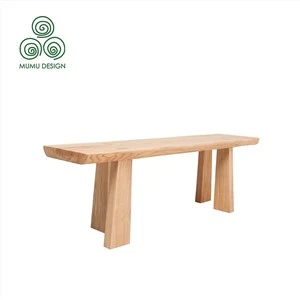
If you’re considering using wood wall panels for your next project, we encourage you to contact us to learn more about our products and how they can meet your specific needs. Our team of experts is available to answer any questions you may have and to provide you with detailed information about our wood wall panels, including their mold resistance, installation requirements, and maintenance recommendations.
Wooden Cabinets Contact us today to start a conversation about your wood wall panel needs. We look forward to working with you to create a beautiful and mold-resistant space.
References
- American Wood Protection Association (AWPA). Standards for Wood Preservation.
- Forest Stewardship Council (FSC). Principles and Criteria for Forest Stewardship.
- ASTM International. Standard Test Methods for Determining the Resistance of Wood and Wood – Base Materials to Mold and Mildew.
Dongguan MUMU Woodwork Co., Ltd.
Dongguan MUMU Woodwork Co., Ltd. is one of the most professional wood wall panel manufacturers and suppliers in China, featured by cheap products and good service. If you’re going to wholesale customized wood wall panel at low price, welcome to get quotation and free sample from our factory. Contact us for more discount information.
Address: Room No.2602, Universal Commerce Center,Dongguan, China 523073
E-mail: Jerry@mumu-ing.com
WebSite: https://www.mumu-ing.com/
