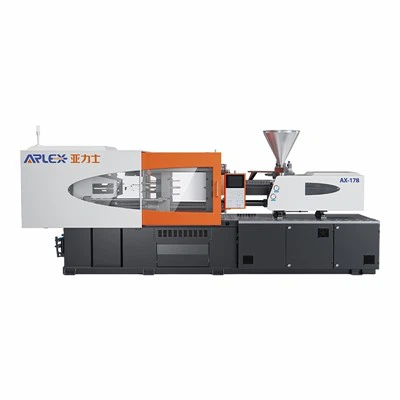
As a long – time supplier of plastic injection moulding machines, I’m well – aware of the fact that the efficiency of these machines is a paramount concern for manufacturers. In this blog, I’ll share some practical strategies to help improve the efficiency of plastic injection moulding machines. Plastic Injection Moulding Machine
1. Machine Selection and Setup
Selecting the Right Machine
The first step towards improving efficiency starts at the very beginning: selecting the appropriate machine for your specific production needs. Different plastic injection moulding machines come with varying clamp forces, injection capacities, and shot sizes. For instance, if you’re producing small, high – precision parts like electronic components, a machine with a lower shot size and high precision control would be ideal. On the other hand, if you’re manufacturing large automotive parts, a machine with a high – tonnage clamp and large injection capacity is required.
Moreover, new – generation machines often come with advanced features such as servo – driven systems, which can significantly reduce energy consumption and cycle times compared to traditional hydraulic machines. These energy – efficient machines might have a higher upfront cost, but the long – term savings in energy and increased productivity can offset this expense.
Proper Machine Installation and Calibration
Once the right machine is selected, its proper installation and calibration are crucial for optimal efficiency. The machine should be installed on a flat, stable surface to prevent vibrations during operation, which can lead to inconsistent part quality and premature wear of machine components.
Calibration of key parameters such as temperature, pressure, and injection speed is also essential. Incorrect temperature settings can result in issues like warping or incomplete filling of the mould, while improper pressure and speed settings can cause flash or short – shots. Regularly checking and adjusting these parameters according to the requirements of each specific mould and plastic material can ensure consistent and high – quality production.
2. Mould Design and Maintenance
Optimized Mould Design
A well – designed mould is the foundation of efficient plastic injection moulding. The design should take into account factors such as part geometry, gate location, and cooling channels. For example, the gate location can significantly affect the flow of molten plastic into the mould cavity. A properly placed gate can ensure uniform filling and reduce the likelihood of defects such as weld lines.
In addition, the cooling system within the mould plays a vital role in cycle time reduction. An efficient cooling system can rapidly remove heat from the plastic part, allowing it to solidify quickly. This enables faster ejection of the part from the mould and reduces the overall cycle time. Modern moulds can be designed with conformal cooling channels, which follow the contours of the part, providing more uniform and efficient cooling compared to traditional drilled cooling channels.
Regular Mould Maintenance
Just as with the machine itself, regular maintenance of the mould is necessary to maintain efficiency. Moulds can accumulate dirt, plastic residue, and corrosion over time, which can affect part quality and increase cycle times.
Dismantling the mould periodically for cleaning, polishing, and inspection is essential. Any damaged or worn components, such as ejector pins or cores, should be replaced promptly. Additionally, applying a suitable anti – corrosion coating can extend the lifespan of the mould and prevent issues that could lead to production delays.
3. Process Optimization
Plastic Material Management
The choice of plastic material can have a significant impact on the efficiency of the injection moulding process. Different plastics have different melting points, viscosities, and shrinkage rates. Understanding these properties and selecting the right material for the part is crucial.
For example, some high – performance engineering plastics may require higher temperatures and longer cycle times to process, while commodity plastics like polyethylene or polypropylene can be processed more quickly. Additionally, proper drying of hygroscopic plastics (plastics that absorb moisture from the air) is essential to prevent defects such as bubbles or splay marks, which can require rework or scrap, thus reducing efficiency.
Cycle Time Reduction
Cycle time is one of the most critical factors in determining the overall efficiency of a plastic injection moulding machine. There are several ways to reduce cycle time without sacrificing part quality.
One approach is to optimize the injection speed and pressure profiles. By using a multi – stage injection process, the plastic can be injected at different speeds and pressures according to the filling stage of the mould cavity. This can help to fill the mould more quickly and evenly, reducing the time required for the injection phase.
Another factor is the cooling time. As mentioned earlier, an efficient cooling system can significantly reduce the cooling time. In addition, post – cooling operations outside the mould can sometimes be optimized to further speed up the process.
4. Operator Training and Management
Comprehensive Operator Training
Well – trained operators are key to ensuring the efficient operation of plastic injection moulding machines. Operators should be trained not only on the basic operation of the machine but also on troubleshooting common problems, process optimization, and safety procedures.
Training programs should cover topics such as how to set up the machine for different moulds and plastic materials, how to adjust key parameters during production, and how to identify and address quality issues in a timely manner. Regular refresher training can help operators stay up – to – date with the latest technologies and best practices.
Operational Management
Effective operational management is also crucial for improving efficiency. This includes proper scheduling of production runs, minimizing changeover times between different products, and ensuring a smooth flow of materials and parts through the production process.
For example, by using a lean manufacturing approach, unnecessary inventory can be reduced, and production waste can be minimized. Additionally, real – time monitoring of production data can help managers identify bottlenecks in the process and make informed decisions to improve overall efficiency.
5. Equipment Monitoring and Upgrades
Real – Time Monitoring
Implementing a real – time monitoring system for the plastic injection moulding machine can provide valuable insights into its performance. Sensors can be installed to monitor parameters such as temperature, pressure, and cycle time. By analyzing this data, operators and managers can detect early signs of equipment malfunction or process inefficiencies.
For example, a sudden increase in temperature or pressure may indicate a blockage in the injection system or a problem with the cooling system. Early detection allows for proactive maintenance, reducing the likelihood of unplanned downtime.
Upgrading Aging Equipment
Over time, plastic injection moulding machines can become outdated and less efficient. Upgrading key components or the entire machine can be a cost – effective way to improve efficiency. For example, upgrading the control system of an older machine to a modern, programmable logic controller (PLC) can provide more precise control over the injection process and reduce energy consumption.
In addition, replacing worn – out mechanical components such as screws or barrels can improve the plasticizing efficiency and reduce the likelihood of material degradation.
In conclusion, improving the efficiency of a plastic injection moulding machine requires a comprehensive approach that encompasses machine selection, mould design and maintenance, process optimization, operator training, and equipment monitoring. By implementing these strategies, manufacturers can increase productivity, reduce costs, and improve the quality of their plastic products.

If you’re looking to enhance the efficiency of your plastic injection moulding operations, I’d be more than happy to discuss how our range of plastic injection moulding machines can meet your specific needs. Feel free to reach out for a detailed discussion and explore potential procurement options.
Injection Molding Auxiliary Equipment References
- "Plastic Injection Molding Handbook" by Dominick V. Rosato, Donald V. Rosato, and Michael G. Rosato
- "Injection Molding for Medical and Pharmaceutical Applications" by John D. Conley
- Industry white papers on plastic injection moulding efficiency improvement from leading manufacturers and research institutions.
Ningbo Yalishi (Arlex) Plastic Machinery Co., Ltd.
Ningbo Yalishi(Arlex) Plastic Machinery Co., Ltd. is one of the most reliable plastic injection moulding machine manufacturers and suppliers in China, featured by quality products and low price. Please rest assured to wholesale cheap plastic injection moulding machine made in China here from our factory. Customized orders are welcome.
Address: No.63, Huangsu East Road, Industrial Zone, Dongqian Lake Tourist Resort, Ningbo, Zhejiang Province
E-mail: leo@arlex.cn
WebSite: https://www.arleximm.com/
