Hey there! As a supplier of Horizontal Machining Centers, I’ve been getting a lot of questions about the chip conveyor and its role in these machines. So, I thought I’d take a few minutes to break it down for you. Horizontal Machining Centers
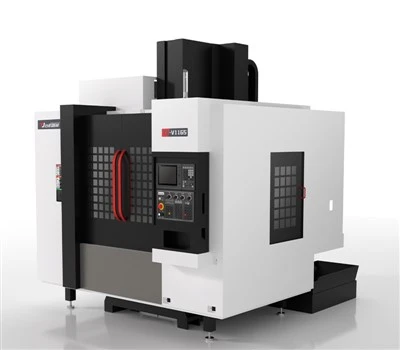
First off, let’s talk about what a horizontal machining center is. It’s a type of machine tool that’s used for precision machining of various parts. It has a horizontal spindle, which allows for efficient cutting and shaping of materials. These machines are widely used in industries like automotive, aerospace, and manufacturing, where high – precision parts are required.
Now, onto the star of the show: the chip conveyor. You might be wondering, "What’s so important about a chip conveyor?" Well, let me tell you, it plays a crucial role in the smooth operation of a horizontal machining center.
1. Chip Removal
The most obvious function of the chip conveyor is to remove the chips generated during the machining process. When the cutting tool in a horizontal machining center is working on a workpiece, it creates a whole bunch of chips. These chips can be small and powdery or large and stringy, depending on the material being machined and the cutting method.
If these chips aren’t removed promptly, they can cause a whole host of problems. For one, they can accumulate around the cutting area. This accumulation can interfere with the cutting process, leading to poor surface finish on the workpiece. The chips can also get in between the cutting tool and the workpiece, causing premature wear and tear on the tool. In some cases, the chips can even cause the tool to break, which is not only costly but can also disrupt production.
The chip conveyor works by transporting these chips away from the machining area. It usually consists of a belt, chain, or screw mechanism that moves the chips along a trough and deposits them into a collection bin. This continuous removal of chips ensures that the cutting area remains clean, allowing the machining process to run smoothly.
2. Protecting Machine Components
Another important function of the chip conveyor is to protect the internal components of the horizontal machining center. Chips can be quite abrasive, and if they’re allowed to circulate freely within the machine, they can damage sensitive parts like ball screws, linear guides, and bearings.
Ball screws are used to convert rotary motion into linear motion in the machine’s axes. If chips get into the ball screw assembly, they can cause the balls to jam or wear unevenly, leading to inaccurate positioning and reduced machine performance. Linear guides are responsible for providing smooth and precise movement of the machine’s axes. Chips on the guides can cause increased friction, which can result in slower movement and premature wear. Bearings, which support rotating components, can also be damaged by chips, leading to noisy operation and potential failure.
By removing the chips, the chip conveyor helps to prevent these issues. It acts as a barrier, keeping the chips away from the critical components of the machine. This not only extends the lifespan of the machine but also reduces maintenance costs and downtime.
3. Ensuring Operator Safety
Safety is always a top priority in any manufacturing environment. The chip conveyor also contributes to operator safety. During the machining process, hot chips can be ejected from the cutting area at high speeds. These chips can pose a burn risk to operators if they come into contact with them.
The chip conveyor quickly collects and transports these hot chips away from the operator’s work area. This reduces the risk of burns and other injuries. Additionally, by keeping the work area free of chips, it minimizes the risk of slips and falls, which are common hazards in a machining environment.
4. Improving Coolant Efficiency
In a horizontal machining center, coolant is used to cool and lubricate the cutting tool and the workpiece. The coolant helps to reduce heat generated during the cutting process, which can improve tool life and surface finish. However, if chips are allowed to mix with the coolant, they can cause problems.
Chips in the coolant can clog the coolant nozzles, preventing the proper flow of coolant to the cutting area. This can lead to overheating of the tool and workpiece, resulting in poor machining quality. The chips can also wear down the coolant pump and other components in the coolant system.
The chip conveyor separates the chips from the coolant. As the chips are removed from the machining area, they are drained of coolant before being deposited into the collection bin. This helps to keep the coolant clean and ensures that it can circulate effectively through the system. As a result, the coolant can perform its cooling and lubricating functions more efficiently.
5. Maintaining a Clean Work Environment
A clean work environment is essential for efficient production and worker morale. The chip conveyor helps to keep the area around the horizontal machining center clean. Without a chip conveyor, chips would be scattered all over the floor, creating a messy and unorganized workspace.
A clean work area is easier to navigate and maintain. It also makes it easier to perform routine inspections and maintenance on the machine. When the floor is free of chips, it’s easier to spot any potential leaks or other issues with the machine.
Different Types of Chip Conveyors
There are several types of chip conveyors available for horizontal machining centers, and each type has its own advantages.
- Belt Conveyors: These are one of the most common types of chip conveyors. They use a continuous belt to move the chips. Belt conveyors are known for their smooth operation and ability to handle a wide variety of chip sizes. They’re also relatively easy to clean and maintain.
- Chain Conveyors: Chain conveyors use chains with attached flights to move the chips. They’re more robust than belt conveyors and can handle heavier loads of chips. Chain conveyors are often used in applications where large, heavy chips are generated.
- Screw Conveyors: Screw conveyors use a rotating screw to move the chips along a trough. They’re simple in design and can be effective for handling small to medium – sized chips. Screw conveyors are also compact, which makes them a good choice for applications where space is limited.
Conclusion
As you can see, the chip conveyor is an essential part of a horizontal machining center. It performs multiple functions, from chip removal and protecting machine components to ensuring operator safety and maintaining a clean work environment.
If you’re in the market for a horizontal machining center, I strongly recommend paying close attention to the chip conveyor system. A good quality chip conveyor can make a big difference in the performance and lifespan of your machine.
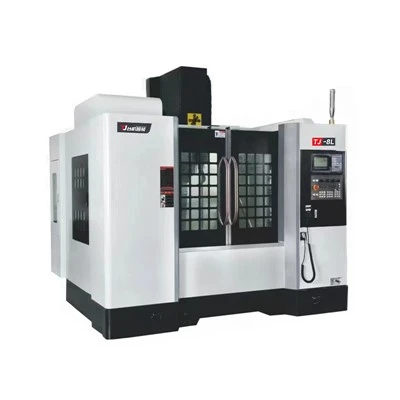
If you’re interested in learning more about our horizontal machining centers and the chip conveyor systems we offer, or if you’re ready to start a procurement discussion, feel free to reach out. We’re here to help you find the right solution for your machining needs.
Horizontal Machining Centers References
- "Machining Technology: An Introduction" by Nicholas P. Chironis
- "Manufacturing Processes and Materials" by Serope Kalpakjian and Steven Rimkus
Guangdong Taiji Intelligent Equipment Co., Ltd.
With abundant experience, we are one of the most professional horizontal machining centers manufacturers and suppliers in China. Please feel free to buy cheap horizontal machining centers for sale here from our factory. For price consultation, contact us.
Address: Room 107, Building 15, No. 911 Jian’an Road, Chang’an Town, Dongguan City, Guangdong Province
E-mail: sale@gdtaijicnc.com
WebSite: https://www.gdtaijicnc.com/
